Nothing Worth Remembering Ever Stays the Same
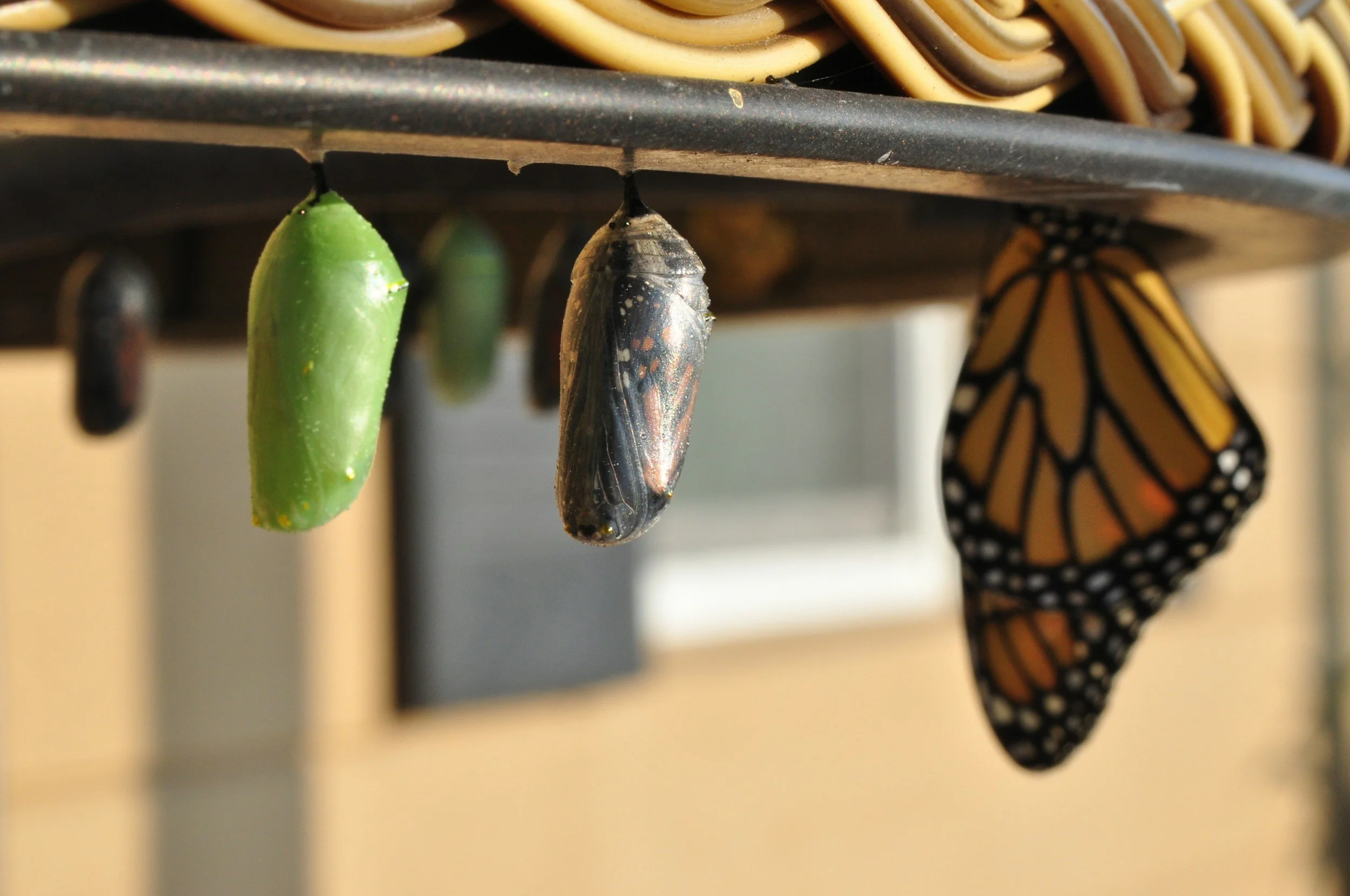
There is an old photograph somewhere that no longer tells the truth.
Maybe it's tucked inside a shoebox beneath a bed. Maybe it's framed on a wall you've walked past so many times that you've stopped seeing it. It captures a birthday, a graduation, a wedding, an ordinary Tuesday afternoon. The faces are familiar, but the people no longer exist—not because they've disappeared, but because they've continued becoming someone else.
That's the quiet deception of a photograph. It freezes a person while life refuses to.
We often say we want to "capture a moment," but perhaps the reason moments feel valuable is because they never stay that way.
The longer I think about stories, the less convinced I become that they're about heroes, villains, romance, conflict, or even resolution.
I wonder if stories exist because change exists. Imagine telling someone about a movie where nothing changes. No one learns, nothing is lost. nothing is gained, no beliefs are challenged, no relationships deepen or dissolve. The last scene looks almost identical to the first.
It wouldn't feel unfinished. It would feel unnecessary. The absence of change isn't simply the absence of drama. It's the absence of meaning. We often mistake events for stories. Someone starts a business, someone gets married, someone wins a championship, someone receives an award.
Those are events. Stories begin when those events alter the person experiencing them. A championship is memorable because of who someone became while pursuing it. Marriage matters because two people slowly become something neither could have become alone. Even failure has a strange way of earning our respect when it leaves someone wiser than it found them.
Perhaps we don't admire transformation because it is rare. Perhaps we admire it because we recognize ourselves inside it. Life has never asked any of us to remain who we were. That thought makes me reconsider the characters I remember most.
The heroes who stay with us aren't necessarily the strongest, smartest, or most successful. They're the ones who resist change before finally surrendering to it. Luke Skywalker doesn't begin as the person capable of confronting darkness.
Elizabeth Bennet doesn't begin by seeing herself—or others—with clarity. Michael Corleone doesn't begin believing he'll inherit his father's world. Their stories aren't defined by what happens around them. They're defined by what happens within them.
The external world simply exposes the internal one. Maybe that's why perfect characters have always felt strangely forgettable. Perfection has nowhere to go.
Growth does. The same seems to be true of businesses.
We often speak about brands as though they're static things, as though a logo is carved into stone the day it's designed. Yet every enduring company I've admired feels less like a monument and more like a person.
It grows; It adapts. Sometimes it survives mistakes. Sometimes it outgrows the story it once believed about itself. The businesses that endure rarely become successful by repeating who they were yesterday. They become successful by remaining recognizable while refusing to remain unchanged.
That balance feels almost impossible. Change too much, and people no longer recognize you. Change too little, and the world quietly moves on without you.
Perhaps identity has never been about standing still. Perhaps identity is knowing what should never change while allowing everything else to evolve. That question lingers in my mind whenever I think about filmmaking.
People often hire a filmmaker believing they need beautiful images, and sometimes they do. But more often, I think they're searching for evidence that change has taken place.
A nonprofit doesn't simply want to show the community what it does. It wants people to see lives that were different before its work existed. A business isn't merely documenting products. It's documenting the distance between a customer's frustration and their relief.
Even a portrait carries this quiet tension. Who is this person? Who have they become?Who are they still becoming? The camera records appearances. Stories reveal transformations.
So that leads me to ask, Is the customers ever buying the product itself. Think about the last meaningful purchase you made. Not the groceries or filling up your gas tank (even though it probably made you wince a bit.)
Something that stayed with you. Chances are you weren't buying an object. You were buying a different version of tomorrow. A new camera isn't really about metal and glass. It's about seeing differently. A gym membership isn't about treadmills. It's about imagining a healthier self.
Parents don't hire photographers because they're purchasing images. They're trying to slow time long enough to remember the people their children once were. Products solve problems.
Stories explain why those problems matter. Transformation gives those solutions emotional weight. Perhaps that's why the most memorable brands don't spend all their time talking about themselves.
They keep returning to the person on the other side of the conversation. Not as a customer. As a character. That word changes everything.
Characters have fears, they hesitate. they fail, they hope, they change.
The moment a business begins treating people as characters instead of demographics, the conversation becomes less about selling and more about participating in someone's life.
Maybe that's why the stories we continue telling ourselves deserve more attention than the stories we tell everyone else.
When someone says, "I've always been this way," I can't help but wonder whether that's memory speaking or fear.
Because every meaningful chapter of life seems to begin with the uncomfortable realization that who we have been may not be enough for where we're going.
Change asks something of us. Sometimes it asks us to let go of certainty. Sometimes pride. sometimes comfort. Sometimes a version of ourselves we've spent years protecting.
No wonder transformation makes us uncomfortable. It feels suspiciously similar to loss. Yet nearly every story we've ever loved quietly insists that becoming someone new requires saying goodbye to someone old.
Maybe that isn't just true of characters. Maybe it's true of all of us. If stories are mirrors, perhaps their greatest gift isn't showing us who we are.
Perhaps it's allowing us to glimpse the person we're capable of becoming before we've gathered the courage to become them.